
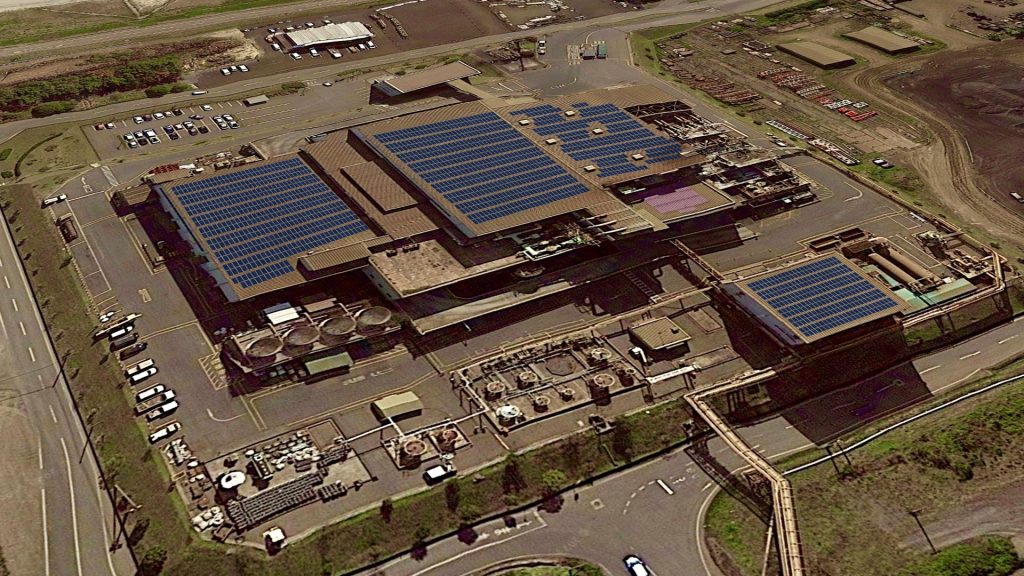
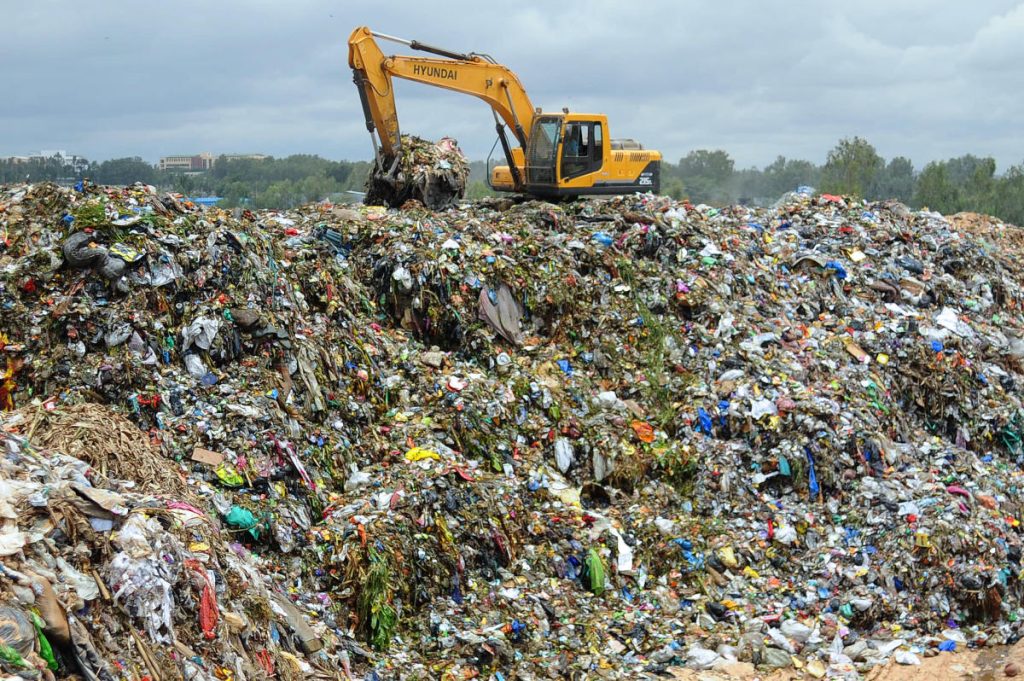

Hydro-Genyse develops facilities designed to convert municipal solid waste into hydrogen, electricity and recoverable materials, with the aim of leaving as little as possible to bury.
You already know how this ends. the landfill reaches capacity, the tender for the next one costs more than the last, and the tankers keep arriving with the fuel that lands on somebody’s electricity bill.

Municipal solid waste enters the
system.

Sealed oxygen-blown reactor operating at up to 2,000°C.

Mineral content melts and becomes glassy aggregate.

Hydrogen can generate power on-site or be supplied as a utility.

Hydrogen is separated from the synthetic gas.( Syngas )

Product gas is rapidly quenched to prevent dioxin and furan reformation.

Municipal solid waste enters the
system.

Sealed oxygen-blown reactor operating at up to 2,000°C.

Mineral content melts and becomes glassy aggregate.

Hydrogen can generate power on-site or be supplied as a utility.
Hydrogen is separated from the product gas.

Product gas is rapidly quenched to prevent dioxin and furan reformation.

Municipal solid waste enters the
system.

Sealed oxygen-blown reactor operating at up to 2,000°C.

Mineral content melts and becomes glassy aggregate.

Hydrogen can generate power on-site or be supplied as a utility.

Hydrogen is separated from the product gas.

Product gas is rapidly quenched to prevent dioxin and furan reformation.

Municipal solid waste enters the
system.

Sealed oxygen-blown reactor operating at up to 2,000°C.

Mineral content melts and becomes glassy aggregate.

Hydrogen can generate power on-site or be supplied as a utility.

Hydrogen is separated from the product gas.

Product gas is rapidly quenched to prevent dioxin and furan reformation.
A conventional plant treats heat, water and residue as costs to be managed. Our facilities are designed around the opposite assumption: that each output has somewhere to go, either on the same site or into a local market.

Fuel cells · Engines · Utility

Firm & dispatchable power

Captured · Liquefied · Regional sale

Recovered · Exported


Recovery ·· Sale

Chilling · Drying · Thermal loads

Road base · Construction applications

Condensate recovery · Reduced external draw
Taken together, the design intent is to eliminate residual disposal and reduce lifecycle emissions well below conventional waste and power infrastructure. Final performance depends on feedstock, permitting, verification and local market conditions.
Under the build, own, operate and transfer structure we are proposing, the developer arranges the financing, construction and operation for a fixed term, and the facility transfers to public ownership at the end of it. The intent is that minimal public capital and debt is required.
Structures of this kind are subject to negotiation, permitting, financing and final agreements, and terms vary by jurisdiction.
The reason we can propose it at all is that these projects are modeled to generate multiple revenue streams from a single waste stream, rather than depending on disposal fees alone.
No. The process is gasification, and it is designed to convert the carbon to its molecular componants in a gaseous state ( syngas ) The reactor is sealed, and the process is intended to clean and eliminate stack emissions associated with incineration.