Municipalities and island governments

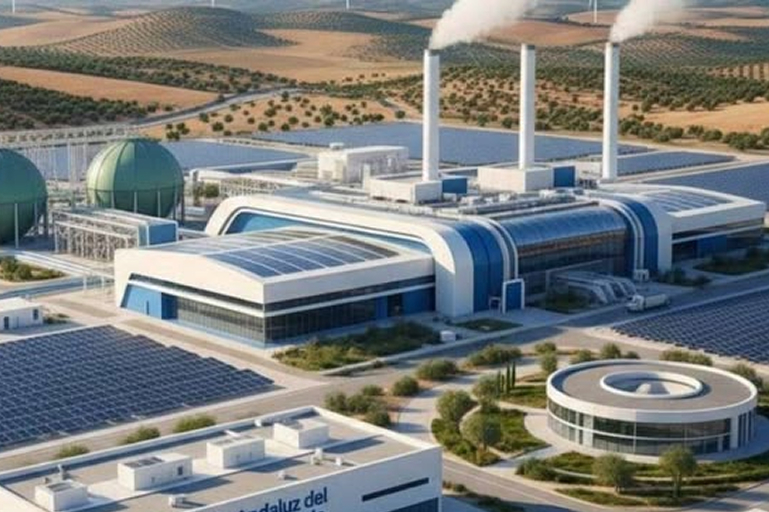
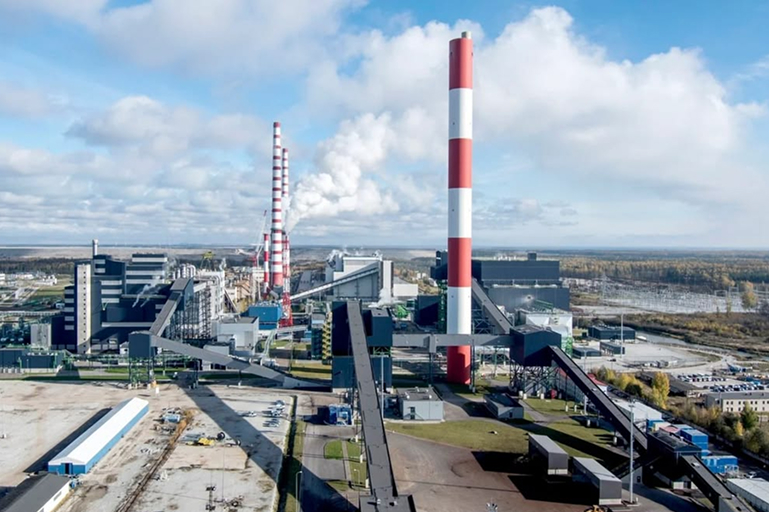
You are responsible for a landfill with a closing date and a waste budget that only grows. The facility takes the waste you already collect, is privately financed so it needs no capital outlay from you, and transfers to public ownership at the end of the concession, giving you a disposal solution, a share of the commodities, and, on island grids, firm power that does not depend on imported fuel.

Utilities and power authorities

Imported diesel means price volatility and ageing generation. A facility built on municipal waste offers firm, dispatchable power under a long-term fixed price, or hydrogen supplied directly so you generate on your own terms.

Ports and cruise operators

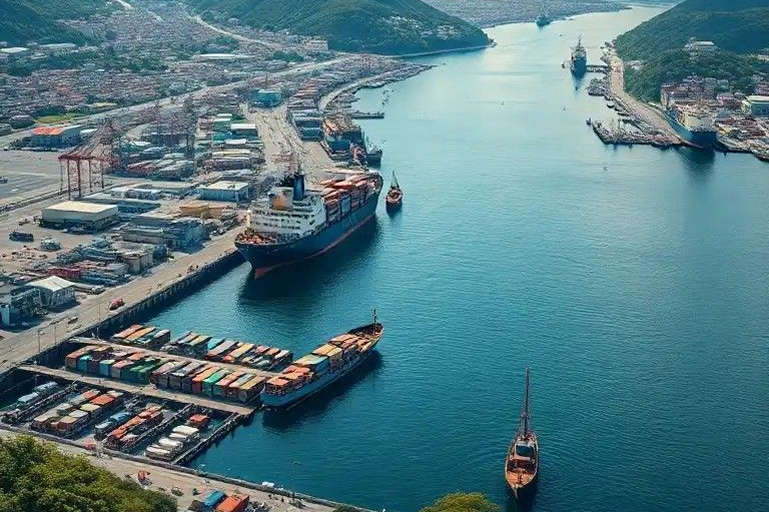
International rules require ships to offload solid waste at an approved port facility. A resource recovery plant built for the island’s own waste can also serve as that compliant offload point, using infrastructure the island already operates.

Data centres and large energy users

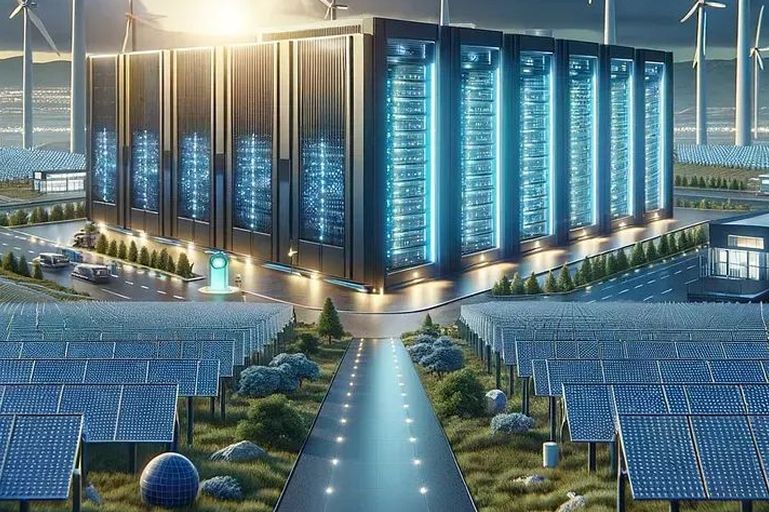
Data centres need continuous power and heavy cooling, usually bought from a grid that was not built for them. A resource recovery facility can supply both behind the meter: renewable power and cooling delivered off-grid, direct to the site, without depending on the public network.

The same applies to hotels, desalination plants and hospitals, where waste heat becomes chilled water at a fraction of conventional running costs.

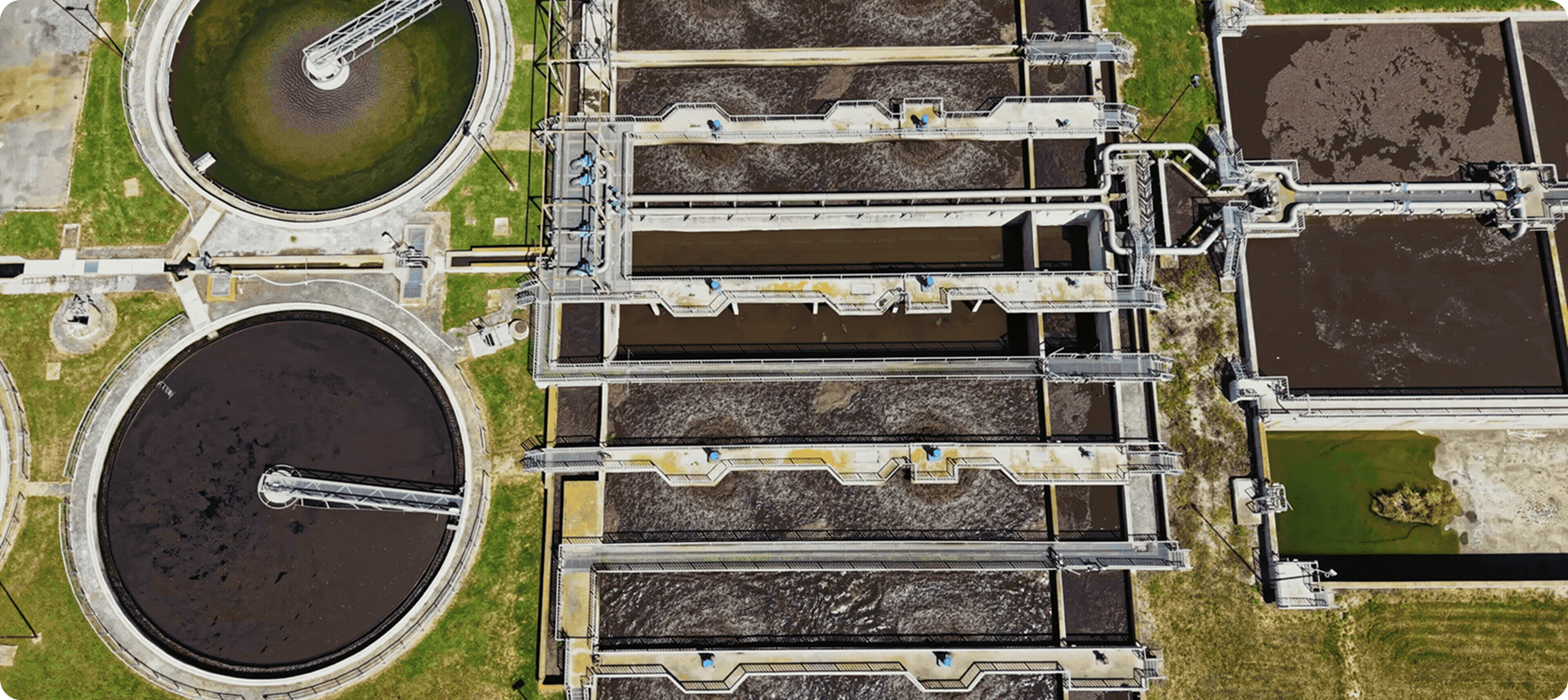
Four different needs, met by the same fenceline.

A government solves a growing problem, a utility gets firmer power, a port meets an existing obligation, a data centre gets power and cooling behind the meter. One integrated site, not four different facilities.