One Tone of Waste, Multiple Valuable Products

A conventional plant sells electricity and pays to dispose of the rest. An integrated facility is designed to turn one waste stream into a range of saleable commodities, so no single market carries the business. The volumes below are for the Sint Maarten facility at steady state; they scale with the size of the waste stream.

Output

Where it goes

01

Electricity

Long-term power purchase agreement, grid or offtaker

02

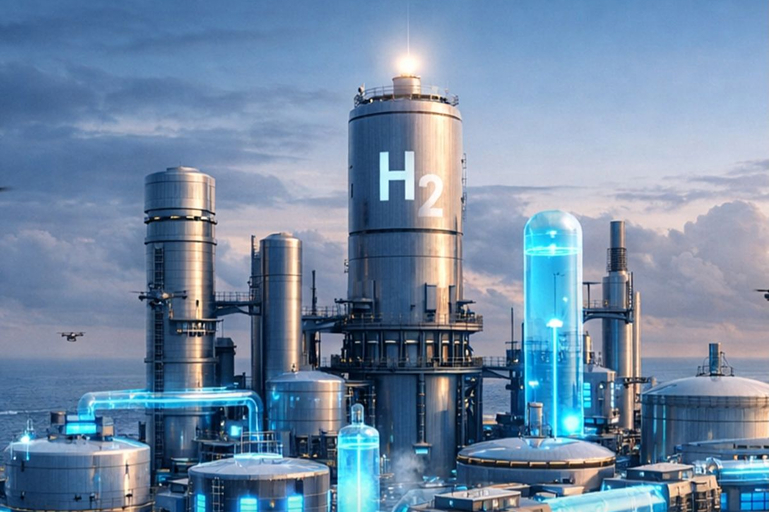
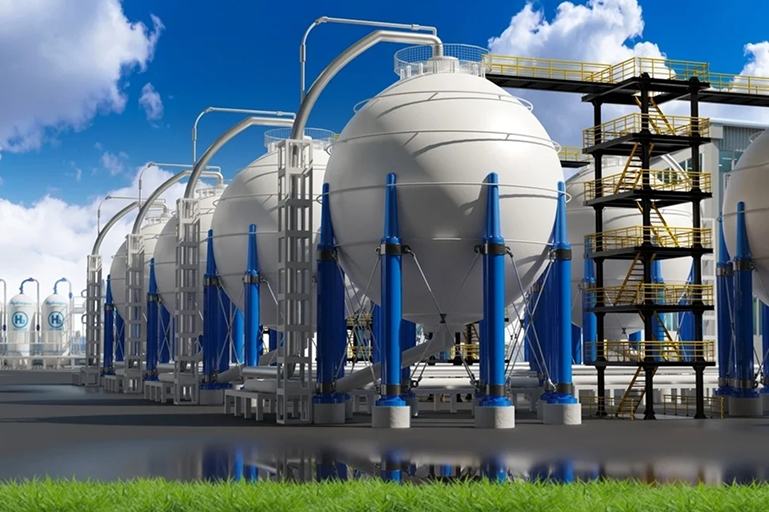
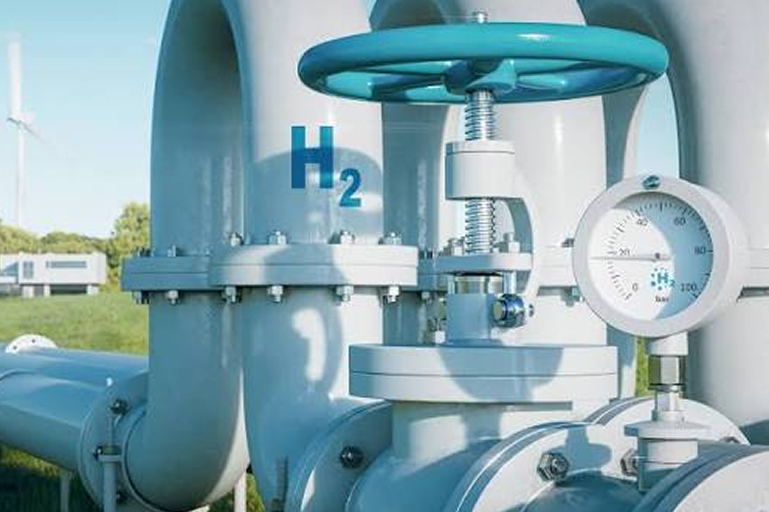
Hydrogen

Supplied as a utility to a data centre, utility or industrial user

03

Liquid CO2

Food and beverage grade, sold locally and exported

04

Metals

Ferrous, aluminium and non-ferrous scrap, exported

05

Construction aggregate

Road base and construction, subject to testing

06

Zinc, sulfur, salt

Refined and sold as separate streams

07

Freeze-dried spirulina

Nutraceutical and natural food-colouring markets

08

Carbon and environmental credits

Certified emission reductions, sold into carbon markets

09

Disposal service

Tipping fee for taking the waste, as any disposal site does

Firm, round-the-clock power, priced for twenty years.

Hydrogen from the syngas runs gas engines for continuous baseload power, unlike weather-dependent solar or wind. At Sint Maarten the design exports around 9.8 MW net under a twenty-year fixed-price agreement, covering 15 to 20% of the island’s electricity.

Contracted rate per kWh — held

The client said $0.38 variable; Revision 5 states $0.23/kWh as the PPA rate, with $0.38 likely the retail or avoided-cost rate. The difference is roughly $12M a year in stated revenue, so no rate goes on the page until this is settled.

Or sell the hydrogen itself, and let the buyer make their own power.

The plant can also supply hydrogen directly as a utility, so the customer generates their own power or heat. This is the chosen model on the island projects.

Captured, liquefied to food grade, and sold into a market that currently imports it.

Rather than vented, CO2 is captured and liquefied to food and beverage grade. The Caribbean currently imports this by ship at high cost, which gives a clear regional and export market.

At Sint Maarten: 2,500 tonnes a year for the local market, and around 18,500 tonnes for regional Caribbean export, alongside smaller volumes to the French side and the premium Leeward islands

Pulled out before anything is gasified, and baled for export.

A recovery stage ahead of the reactor separates ferrous, aluminium and heavier non-ferrous metals, baled for the scrap market. Removing them first also improves gas quality. At Sint Maarten, around 9,100 tonnes a year. The reactor also produces a metal pellet that is not ordinary scrap: an iron-copper alloy at roughly 84% iron and 13% copper, which prices well above standard grades.

Smaller streams, refined and sold rather than dumped.

The process also recovers zinc, sulfur and salt in saleable quantities, modest individually but part of the same point: the design routes each stream to a buyer rather than to landfill.

Turning Exhaust Streams Into High-Value Food

Captured CO2, recovered nitrogen, reclaimed water, spare heat and surplus cooling feed photobioreactors growing spirulina, freeze-dried to preserve its most valuable compound, a pigment used in premium nutraceuticals and natural food colouring.

Price and volume — held

Staged across two phases and still feasibility-stage. The client needs to confirm which stage the public site describes.

Keeping waste out of landfill and capturing carbon earns credits on top.

Landfill diversion, carbon capture, and in some cases site remediation can be certified and sold as carbon credits. Value depends heavily on which market the credits reach.

Deliberately no figure here

The study values this at around 20% of total revenue, but the rate is tied to specific European pathways, it is the figure most likely to be challenged, and it dates fastest. This is a decision, not an omission — do not add a number later without checking with Jack.

And the city still pays less to dispose of its waste than it does today.

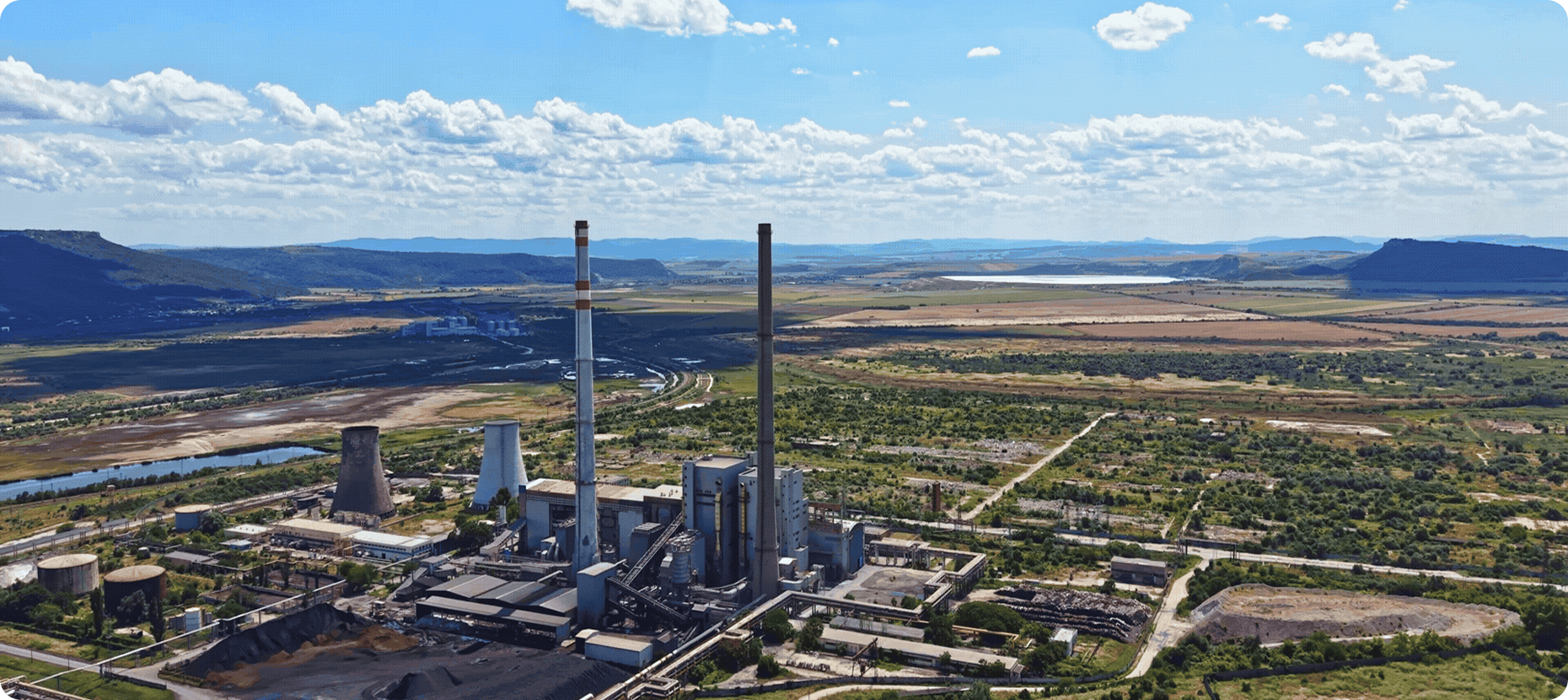
The plant also charges a tipping fee, as any disposal facility does. Design intent: at or below what the municipality pays today, so the city saves on disposal while the facility earns from commodities.

Tipping fee — held

The client said $50 to $75 per tonne; Revision 5 models $50. Awaiting confirmation of whether $75 is a negotiating ceiling.

No single output
has to carry the business.

Electricity may be the largest line, but the plant also earns from CO2, metals, aggregate, food and credits. If one market softens, the others hold.