The part a technical reader will want to check.

Written for the person a municipality sends to verify what we say: an engineer, an environmental officer. The core technology, IWT/Thermoselect high-temperature gasification, has run at commercial, city scale since 1992 across nine installations. It is not a pilot.

Is this incineration? No, and the difference is the whole point.

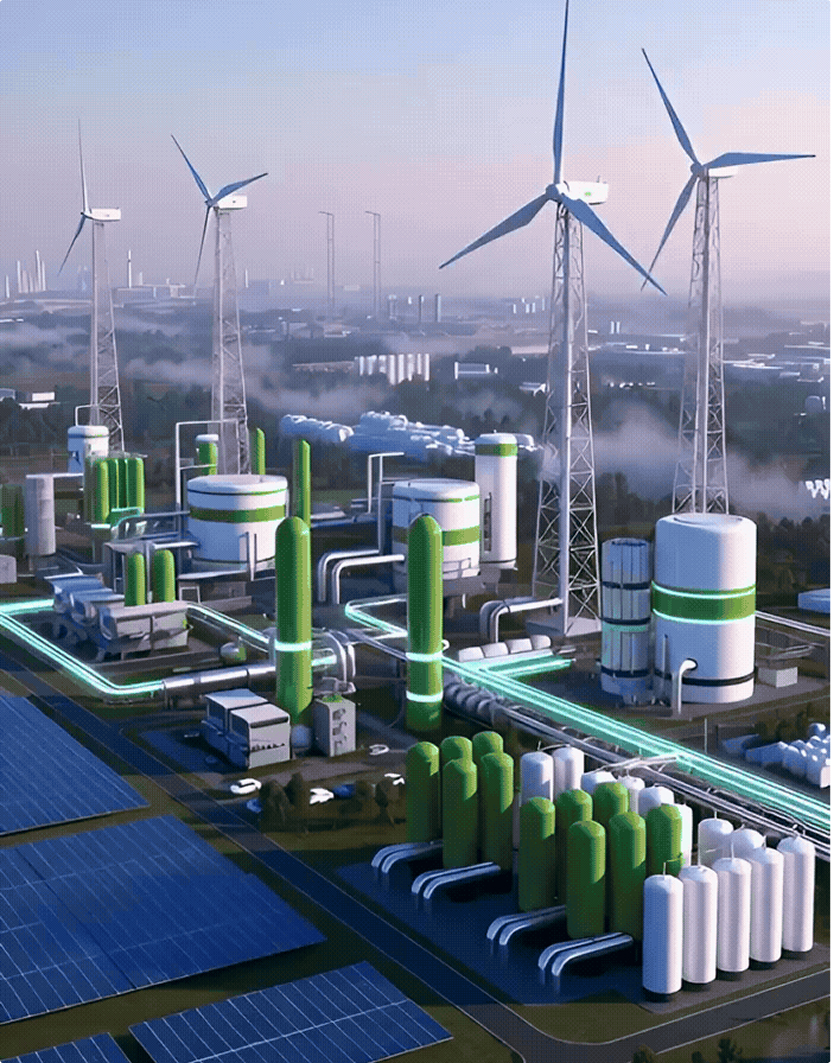
An incinerator burns waste in open air, producing a large flue gas volume, ash, and, without careful control, dioxins. This process heats waste in a sealed, oxygen-controlled reactor until it breaks into its basic elements and reforms as a gas, cleaned before it is used as fuel. The minerals leave as inert glass, not ash.

Four steps, from waste to clean gas.

Waste passes through four controlled stages, separating moisture, converting organics, rapidly cooling gases, and solidifying minerals into hydrogen-rich gas and durable glass-like aggregate.

01

Degassing

Waste is compressed and pushed through a sealed, heated channel, driving off moisture and volatiles with no free oxygen present.

02

High-temperature reactor

An oxygen-blown reactor running up to around 2,000°C breaks down organics and melts the mineral fraction.

03

Shock quench

Gas is cooled from around 1,200°C to below 70°C in under thirty milliseconds, the step that prevents dioxins reforming.

04

Granulation

Our deployment strategy will be designed around your needs and engineered to reliably deliver successful outcomes at any scale.

No Dioxin Formation

Dioxins form in a specific temperature window as gases cool slowly, the classic weakness of older incinerators. Quenching from around 1,200°C to below 70°C in under thirty milliseconds skips that window entirely, and because the gas is cleaned before combustion rather than after, a much smaller volume needs treating.

Independent emissions verification for this technology is on record, filed as an attachment to the 2005 Los Angeles County technology assessment.

From Waste to Glass

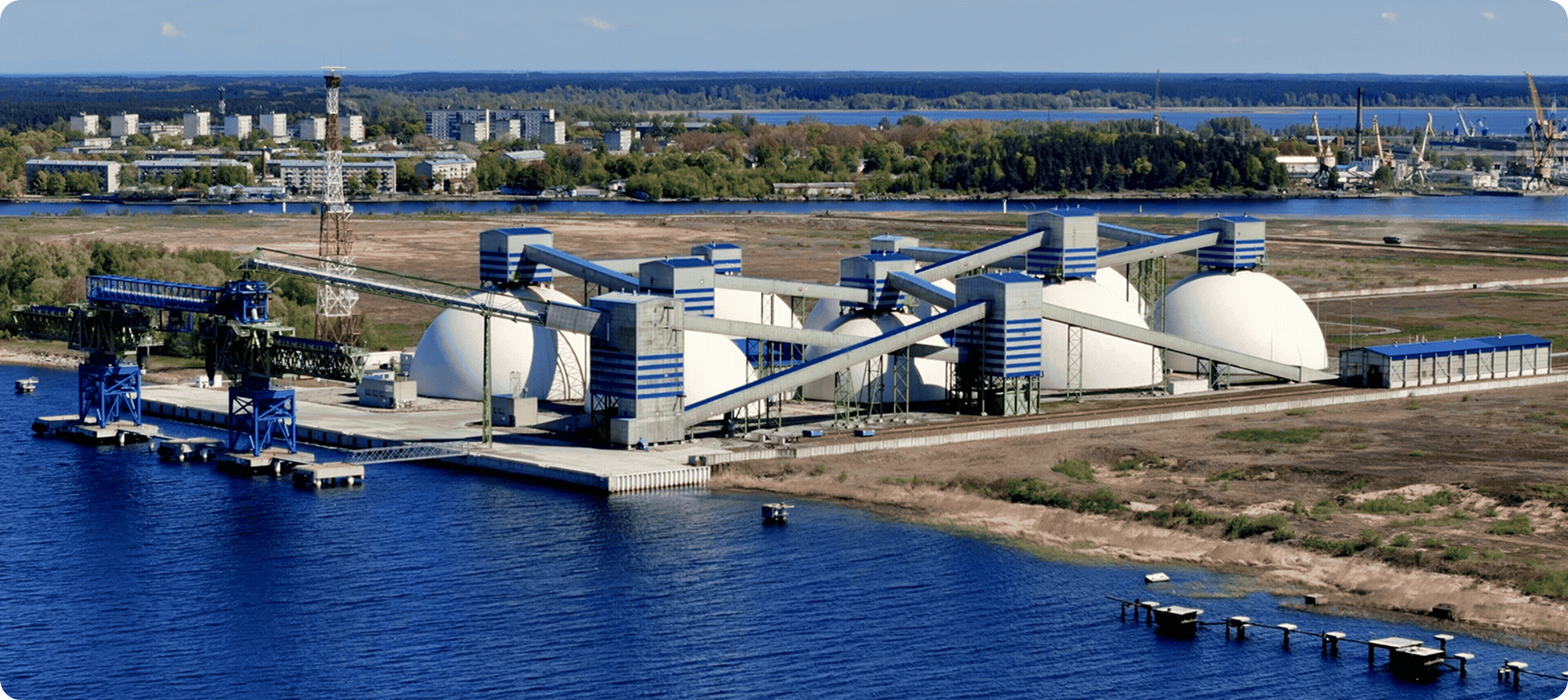
The melted mineral fraction cools into a hard, inert granulate, dark grey to black with the vitreous look of natural basalt, in the ¾ to 1½ inch size range. It is a different material from the powdery incinerator ash that can leach contaminants.

The 2005 Los Angeles County technology assessment reviewed this class of technology and placed it in its highest category, citing many years of commercial experience processing municipal waste in Europe and Japan.

Operating Since 1992

Nine installations have operated commercially since 1992, processing real municipal waste at city scale. That record is the difference between an interesting idea and something a government can put in front of residents and auditors.

Hydro-Genyse is a licensed developer for IWT, the technology provider.

Different inputs,
different outputs, different residue.

Where an incinerator creates a problem, dirty gas, toxic ash, dioxin risk, this process is designed to produce something else: clean gas, inert glass, and a hydrogen stream that becomes fuel and product.