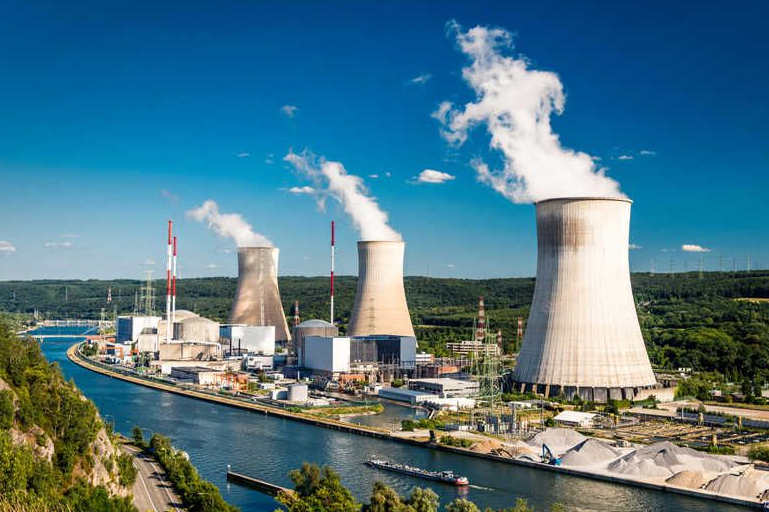
An engine running on recovered hydrogen sheds heat at several temperatures at once. Rather than lose it to a cooling tower, the design captures it in stages:
The hottest streams raise steam, cooler streams drive absorption chillers and handle drying, so the plant cools and dries itself largely on heat it would otherwise discard. Once its own needs are met, surplus cooling can serve neighboring uses such as cold storage.
Hydrogen’s main by-product is water. The design recovers that condensate, so the plant draws little or no fresh water from its surroundings, a real advantage on islands where water is expensive. Where a site sits beside a suitable body of water, cooling can be rejected into it instead of evaporated, removing the heavy freshwater draw that undermines conventional plants.
Captured CO2 splits two ways: part is liquefied to food grade for regional sale, and part combines with recovered nitrogen, reclaimed water, spare heat and surplus cooling to feed photobioreactors growing spirulina, later freeze-dried to preserve its most valuable compound.
It is the clearest illustration of the model: five streams a conventional plant would discard, combined into a food product with a real market

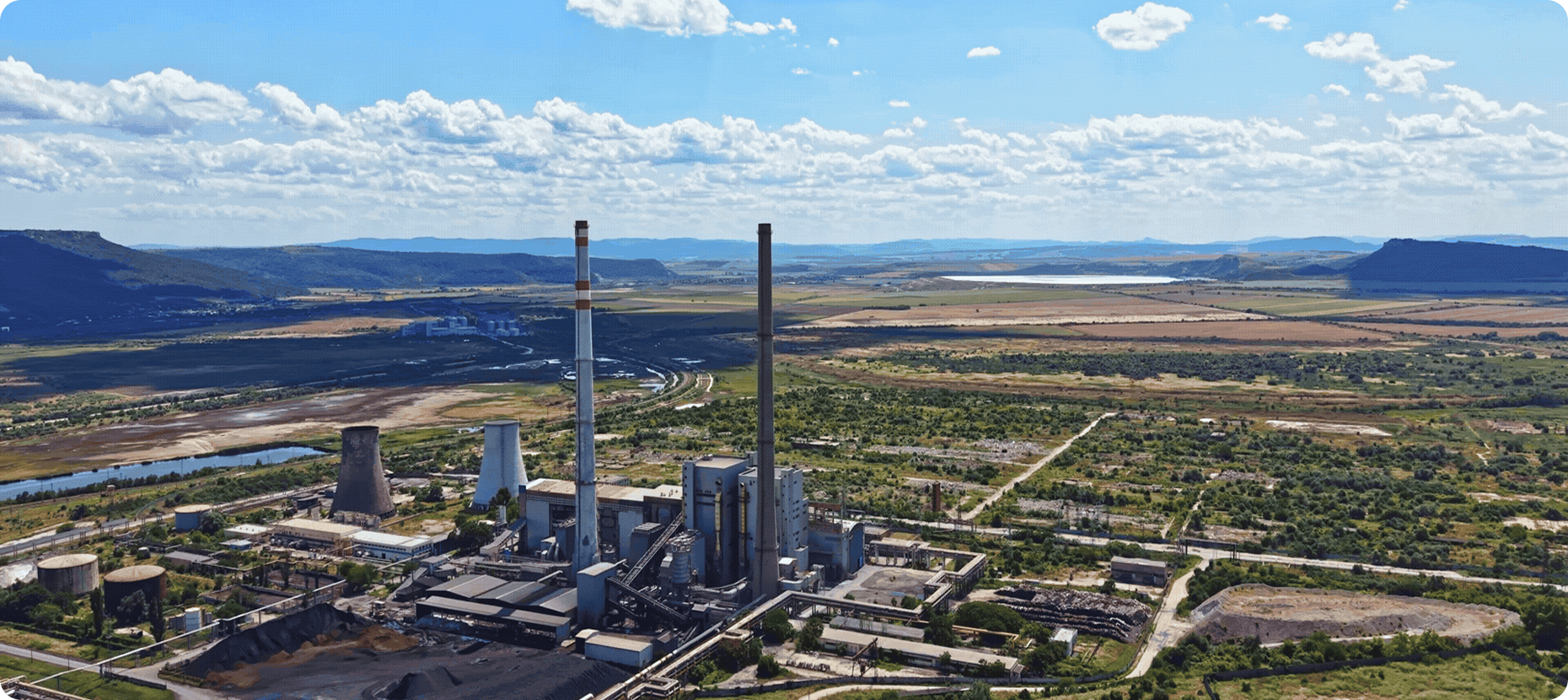
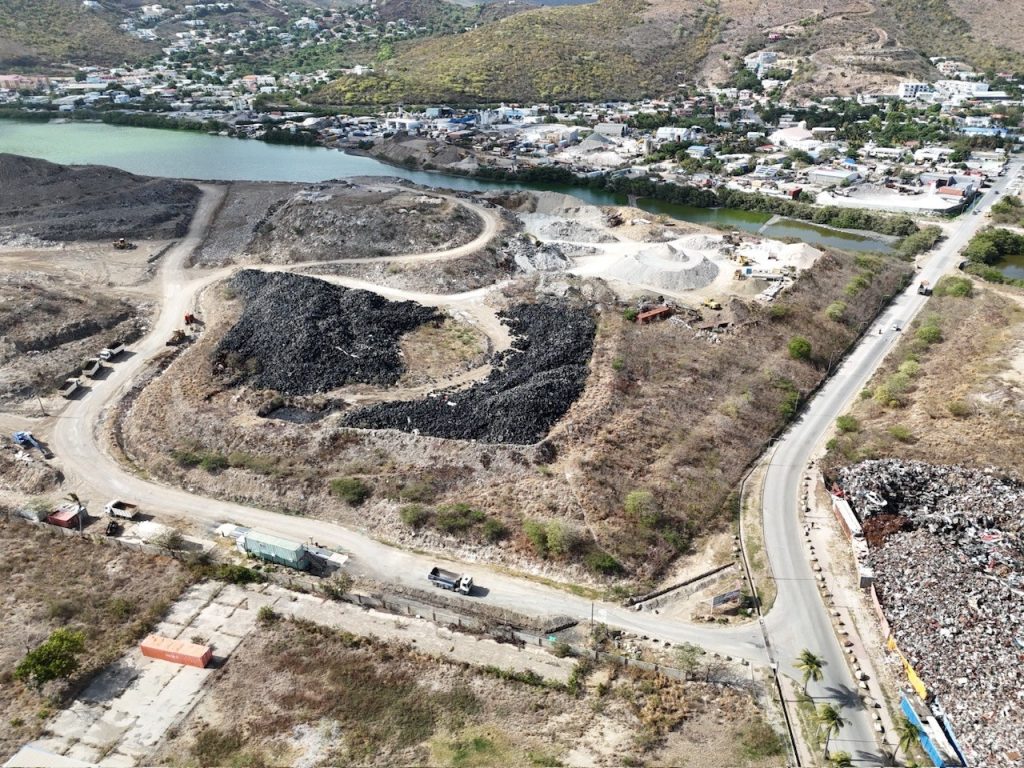
The Great Salt Pond beside the site holds decades of contaminated sediment. The plan: dredge it, dry it with the plant’s own waste heat, and feed it into the gasifier, destroying the contamination while deepening the pond, which then cools the plant. Waste heat dries the silt, the silt feeds the reactor, the reactor cleans the pond, the pond cools the plant.