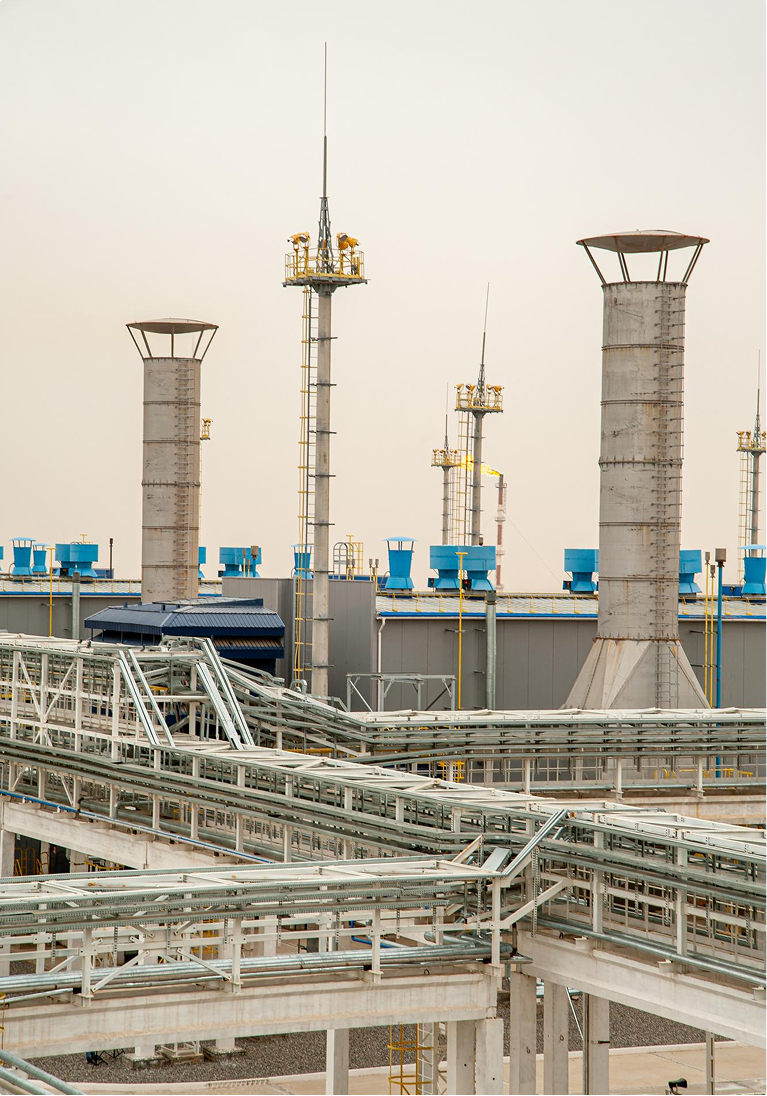
The split is worth stating plainly. The gasification facility, the plant that does the work, is built and owned by the developer under the concession, at no capital cost to the government. What connects to it, the pipeline and the government’s own generation, sits on the public side and remains in public ownership throughout.
That means the government is not being asked to fund the plant, and it keeps control of the infrastructure that serves its own network.

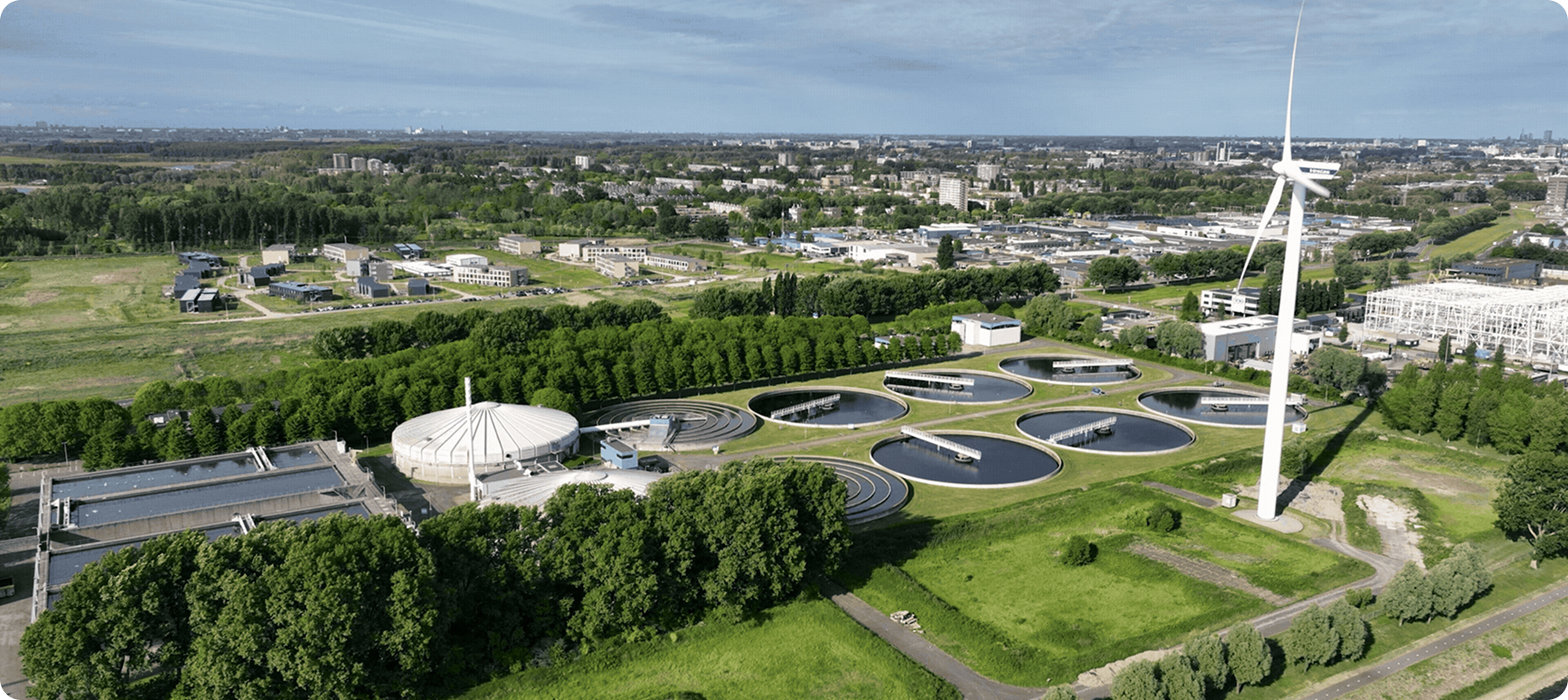
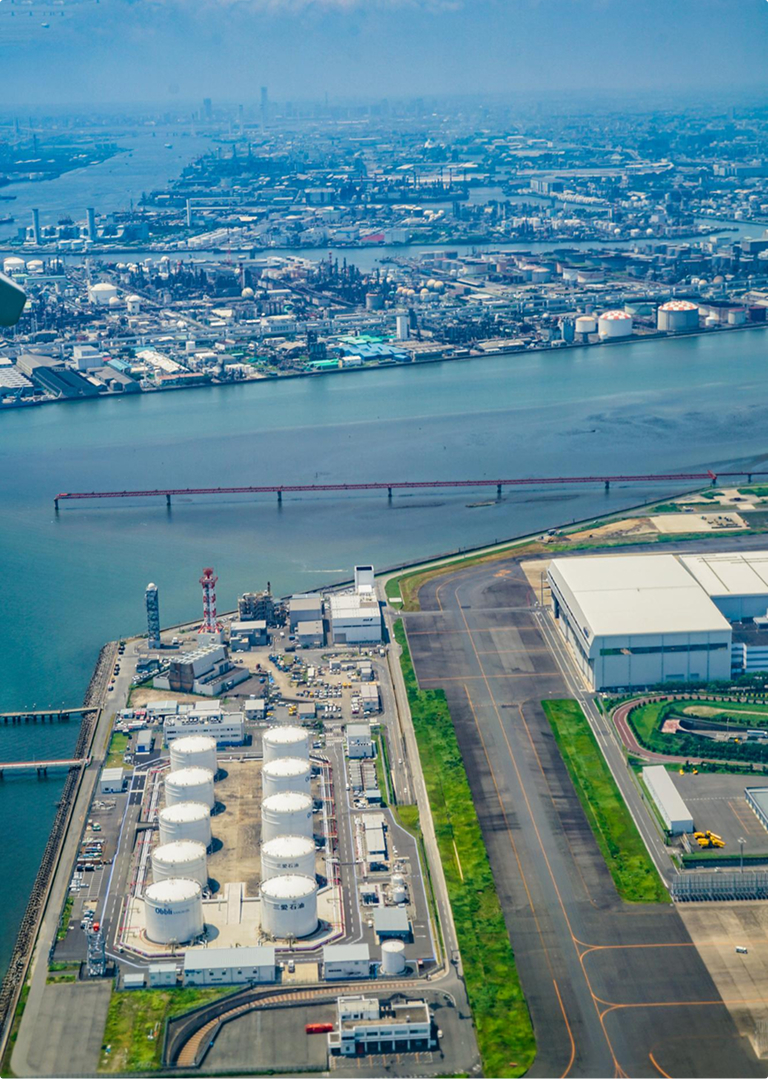
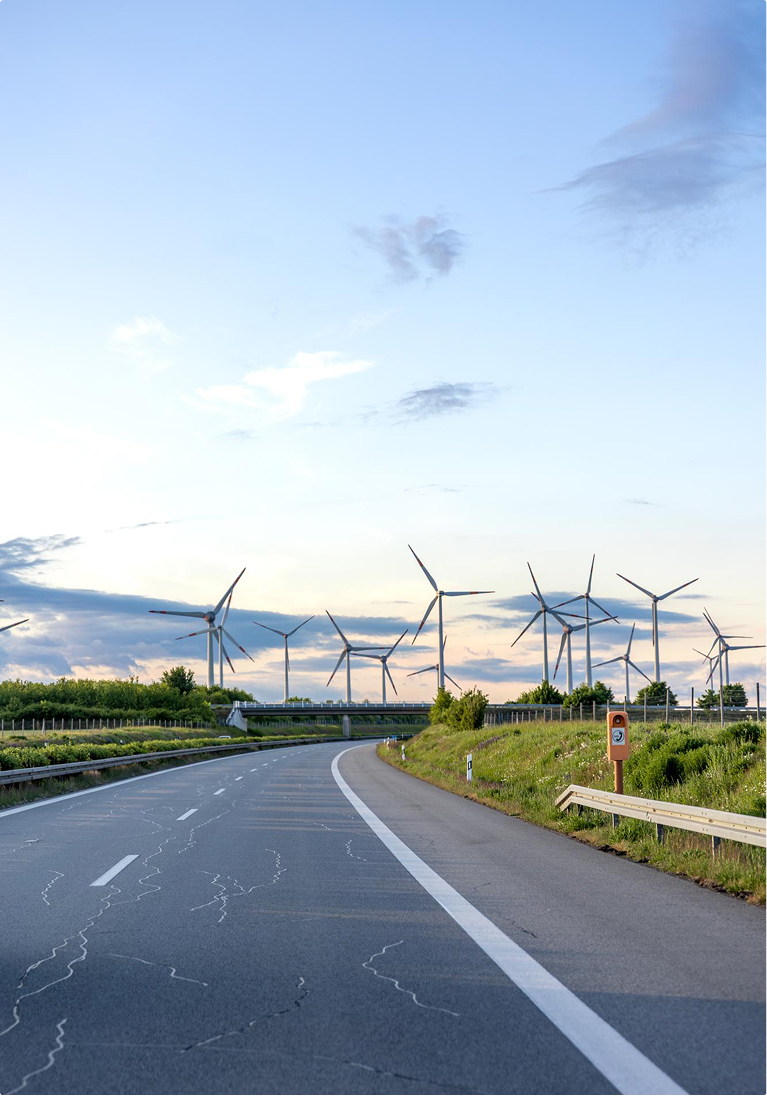
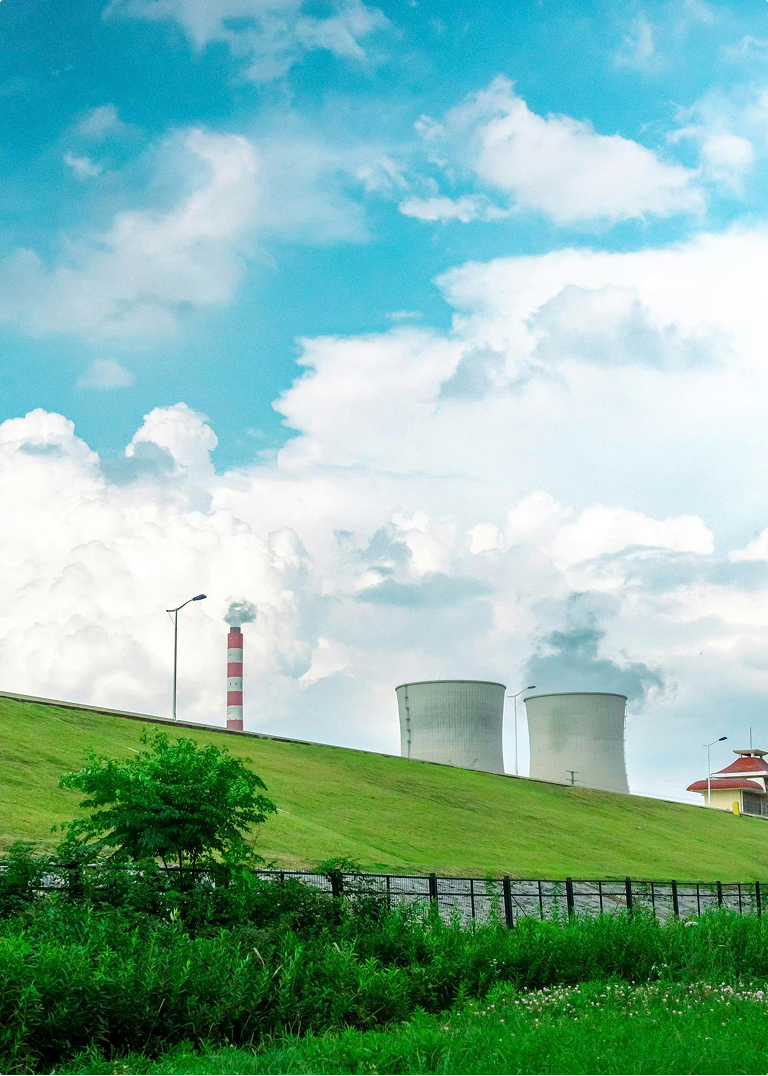
A BOOT concession, a long-established model behind toll roads, water treatment plants and power stations. The private side carries construction and operating risk and is repaid from facility revenues; the public side gets the infrastructure without funding the build. Every term is subject to negotiation and varies by jurisdiction.
A conventional plant depends on a disposal fee and, at best, some electricity, which is why so many need public subsidy. An integrated facility earns from electricity, hydrogen, CO2, metals, aggregate and credits at once, which is what makes it financeable without depending on any one market.